Plan what happens after the loaf leaves the oven
Cooling, slicing and portioning deserve a place in the baking plan, especially when one loaf must last several days.
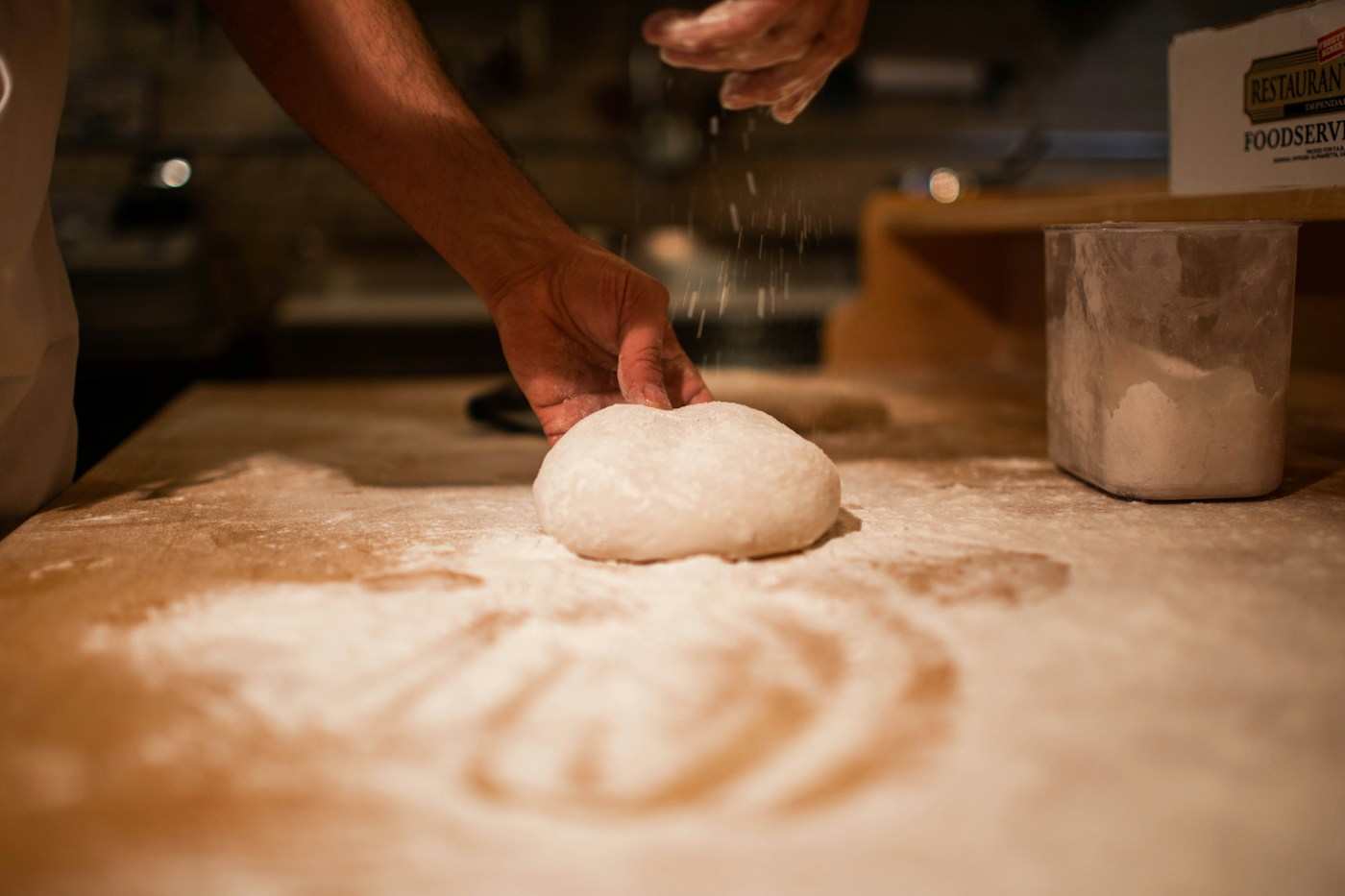
A baking plan often ends at the oven alarm. The loaf still needs to be handled, cooled and stored in a way that suits the recipe and the household. Thinking about those steps in advance prevents a successful bake from becoming an awkward collection of warm slices and unsuitable containers.
Read the finishing instructions early
Before starting, check how the recipe tells you to remove the loaf from its pan and where it should cool. Prepare the recommended cooling surface and clear the route from the oven. Follow the equipment instructions for handling hot pans and do not begin rearranging a crowded counter with a hot loaf in your hands.
Use the recipe's doneness and cooling guidance rather than assuming every bread follows the same schedule. An enriched pan loaf, a flatbread and a crusty loaf are different products. A single rule copied from one should not quietly replace the finishing method for another.
Decide how the loaf will be used
Consider whether you need sandwich slices, larger pieces for a meal or a portion to keep for another day. This is an organisation decision, not a reason to slice before the recipe advises. Let the loaf complete the intended cooling stage before preparing it for storage or freezing.
Keep the first portion modest if you are still learning how much your household uses. A simple plan can distinguish what will be eaten soon from what will be reserved, instead of leaving the entire loaf in one place and repeatedly revisiting the decision.
Use storage advice for the actual bread
Consult the recipe author or a reliable food-storage source for the product you have made, particularly if it contains fillings or toppings with their own requirements. Do not infer shelf life from the way a loaf looks. Packaging and storage conditions should follow the appropriate guidance.
King Arthur Baking's bread guide describes freezing fully cooled bread in protective airtight layers. If freezing suits the specific recipe, portioning can make it easier to remove only what you need. Label the package with the bread type and date so that a future choice does not depend on remembering which bake it was.
Keep a useful result note
After using the loaf, record which portion size worked and whether the storage arrangement was convenient. Separate those observations from judgements about fermentation or flour. A loaf that was inconvenient to slice may call for a different shape next time, not a completely revised formula.
The final stage of bread making is ordinary use. Giving it a little space in the plan helps the baking effort fit the meals that follow, and gives the next bake a clearer purpose than simply producing another attractive loaf.
Cooling and freezing reference: King Arthur Baking: bread guide. Follow storage guidance for the specific recipe.