Give weighing flour a clear sequence
A scale is easier to use when the recipe, bowl and units are settled before the bag is opened.
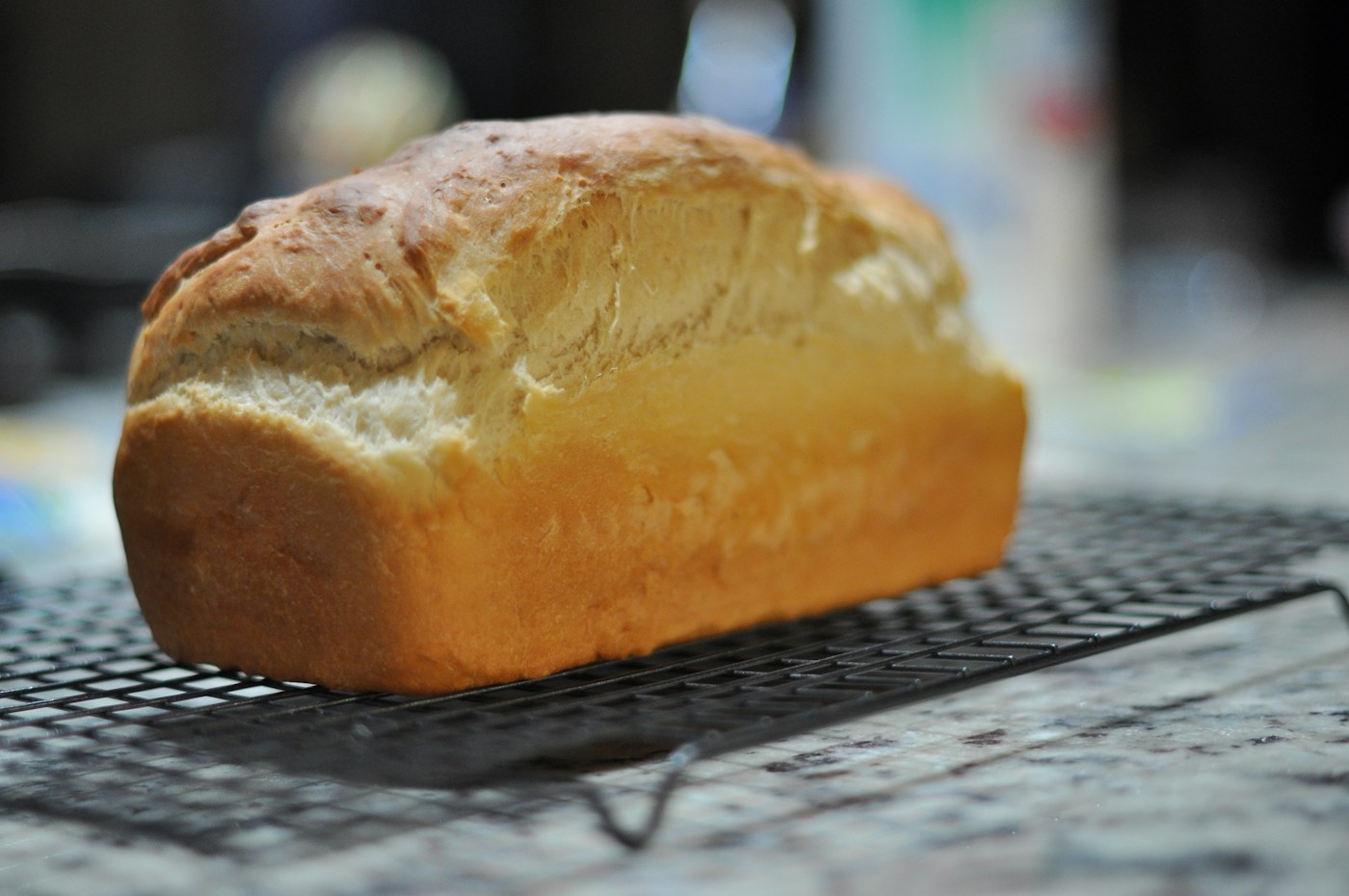
Flour measurement is a small step with a large opportunity for confusion. A recipe may show both cups and grams, the bowl may hide the display and the scale may still be in the wrong unit. A simple sequence makes weighing less of an interruption and gives the rest of the bake a clearer starting point.
Choose the recipe's own weights
Read the ingredient list before measuring anything. If the author provides gram weights, use those rather than converting the volume amounts through a different chart. Different flour products and measuring conventions do not necessarily share one universal weight per cup.
King Arthur Baking recommends using a digital scale for flour and publishes its own measurement convention. Its figure belongs to its recipes and flour guidance; it should not silently replace the weight an unrelated recipe author has specified. When a recipe has only volumes, consult that author's measuring method or conversion advice.
Prepare the scale and bowl
Put the scale on a suitable level surface and use it according to its instructions. Check the unit before adding ingredients. Confirm that the total of bowl and contents will stay within the stated capacity and that the display remains visible when the bowl is in place.
Place the empty bowl on the scale, then use the tare function as directed to set the displayed ingredient weight to zero. Add flour gradually as you approach the required amount. Keep a separate clean container nearby if you prefer to measure an ingredient before adding it to a mixture that cannot easily be corrected.
Make the next addition unambiguous
When weighing several ingredients into one bowl, pause after each one. Read the number, confirm the ingredient and mark that line on the recipe. Only then tare for the next addition if that is your chosen method. Avoid pressing buttons while talking or reaching for another bag.
Some small quantities may fall below a scale's useful measuring resolution. Follow the recipe's specified method and the scale manufacturer's guidance rather than assuming every displayed gram is equally dependable for every ingredient. A clear teaspoon instruction should not be casually replaced with a guessed decimal weight.
Keep the first bake comparable
Follow the recipe as written on the first attempt, including its flour type and ingredient amounts. If you make a substitution, record exactly what changed. Do not correct the dough with repeated unmeasured handfuls of flour and then wonder why it differs from the intended formula.
The practical goal is consistency, not a dramatic collection of equipment. A recipe you can read clearly, a scale you understand and an orderly weighing sequence make it easier to recognise what happened during the bake and to repeat the parts that worked.
Measurement reference: King Arthur Baking: how to measure flour.